Labels and ribbons: tell us what you print, and we will match the supplies
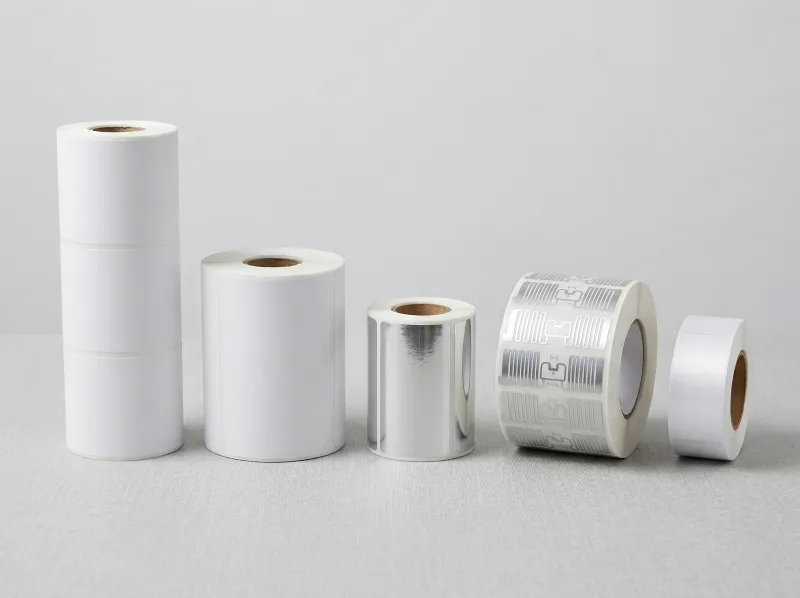
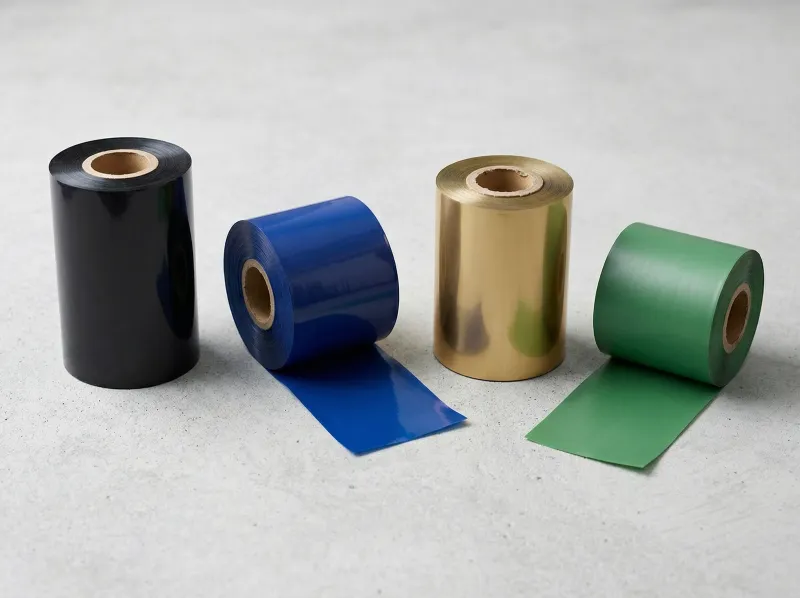
Labels and ribbons have no fixed "model number". What you are actually buying is a set of specifications: which material, what size, which core diameter and which type of ribbon. You only need to know one of the three things below to get started. Any printer brand is fine. All consumables are quoted on request; we review your needs and then reply with specifications and a quotation.
Search by printer model
Enter your printer brand and model and click "Add to inquiry". We will match labels and ribbons to that printer's specifications. Brands not sold on this site are fine too.
Search by application
Know what you print but not the material? Pick the closest application to see the recommended label material, ribbon type and adhesive, plus what to watch out for.
See 11 applications →Enter specs directly
Already using a label or ribbon? Copy the width, height, core and quantity from your current roll; choose "Not sure" for anything you don't know and we will confirm with you.
Consumables for barcode printers of any brand
Labels and ribbons follow common specifications and are not tied to a printer brand. Any barcode printer on the market can use them as long as the items below match. You do not need to buy the manufacturer's own consumables:
- Label core inner diameter: commonly 1 inch, 1.5 inch or 3 inch, depending on the model.
- Label width and roll outer diameter: must not exceed the printer's maximum width and outer diameter.
- Ribbon width, length and core: the ribbon should be slightly wider than the label; length and core must match the printer's specifications.
- Ink side out or ink side in: must match the printer's ribbon path.
A few models use ribbon cores with special notches or cartridges. Tell us the model when you request a quote and we will check.
Common barcode printer brands (not limited to these):
- TSC
- GoDEX
- Zebra
- Honeywell
- Intermec
- Datamax
- Argox
- CAB
- SATO
- TOSHIBA TEC
- Citizen
- Printronix
- Brother
- Postek
Brands not listed are welcome too; just tell us the printer model. Brand names belong to their respective owners and are mentioned here only to describe consumable compatibility.
Heat-resistant and low-temperature labels
Through reflow, into a paint-baking oven, or into a freezer or liquid nitrogen at -196°C — the more extreme the temperature, the more the whole set must be matched. Tell us the temperature, time and how labels are applied, and we will recommend labels and a matched ribbon based on material specifications.
Search by application
Recommended combinations are general guidance; always confirm with a test print.
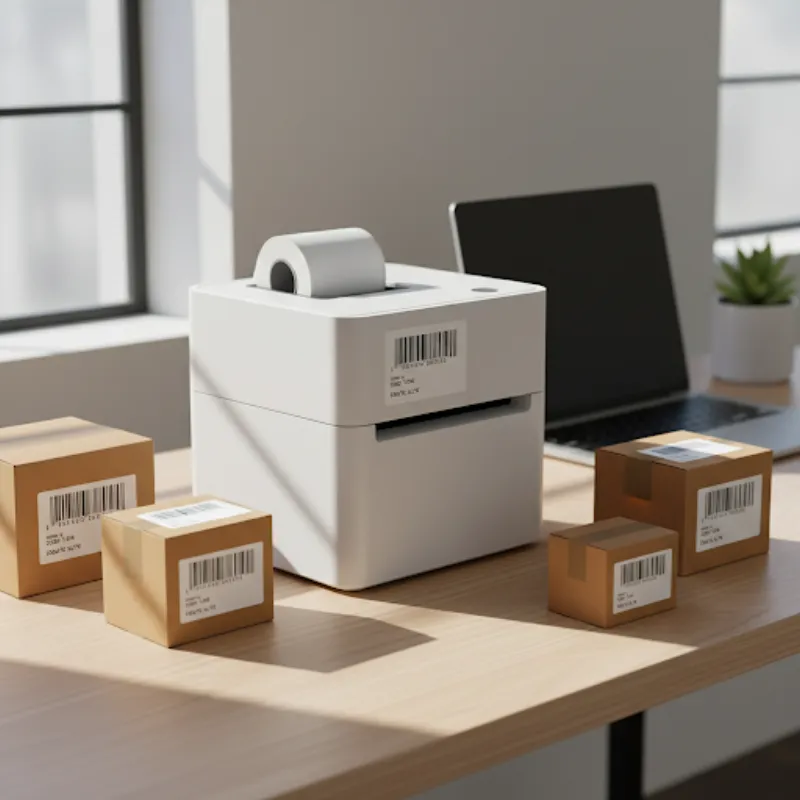 Shipping / logistics / carton labels
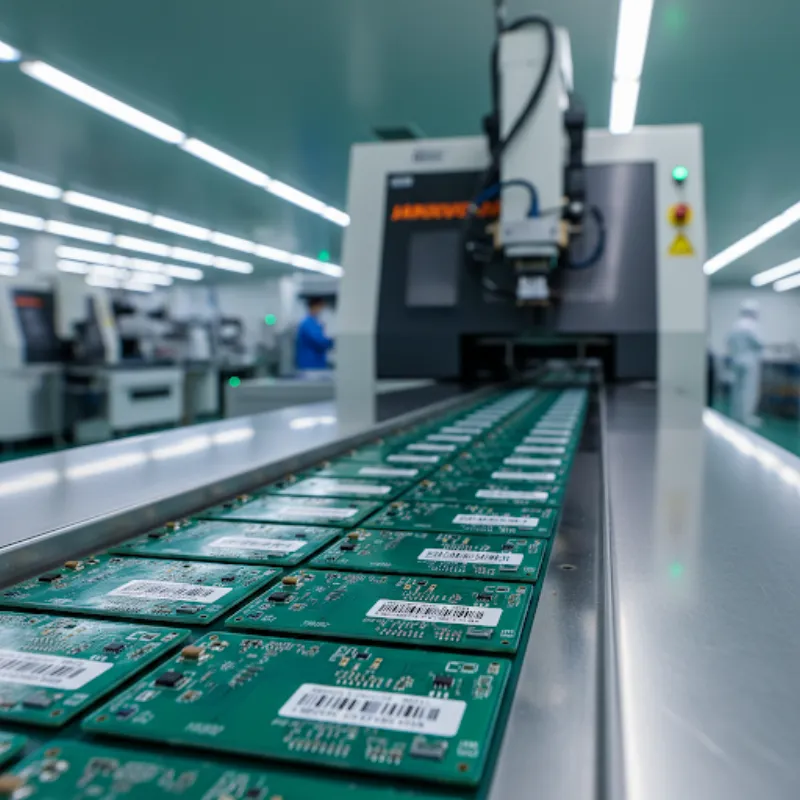 Product / part number / barcode labels
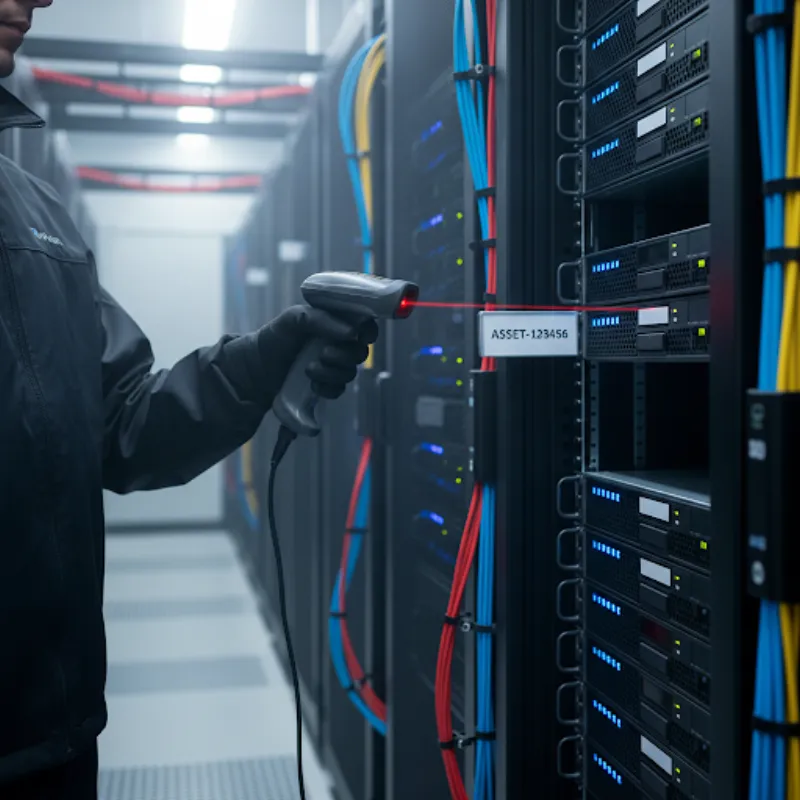 Asset / Equipment labels
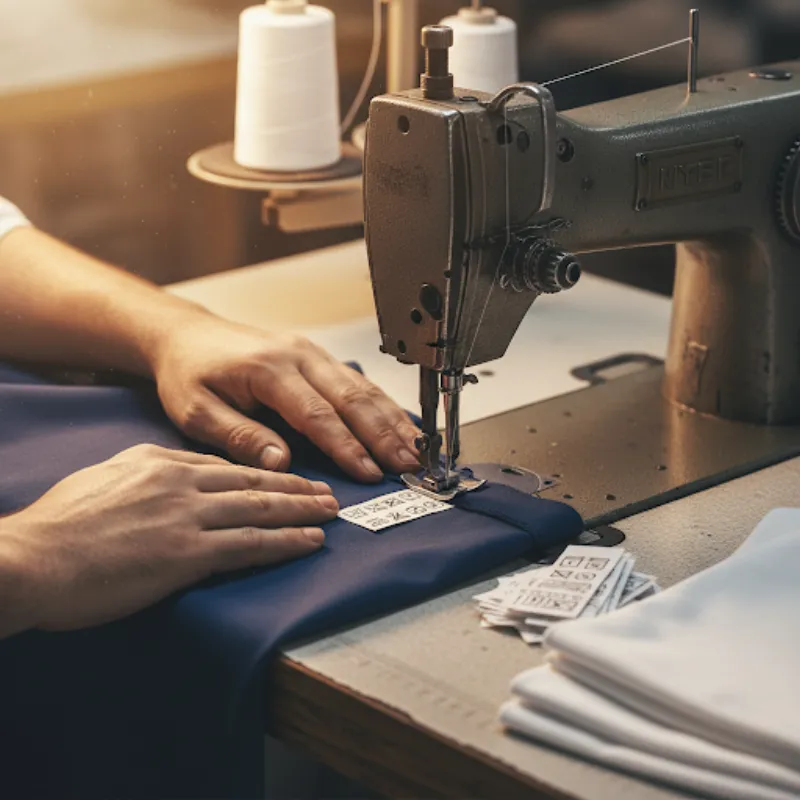 Fabric / care labels
 Food / chilled and frozen labels
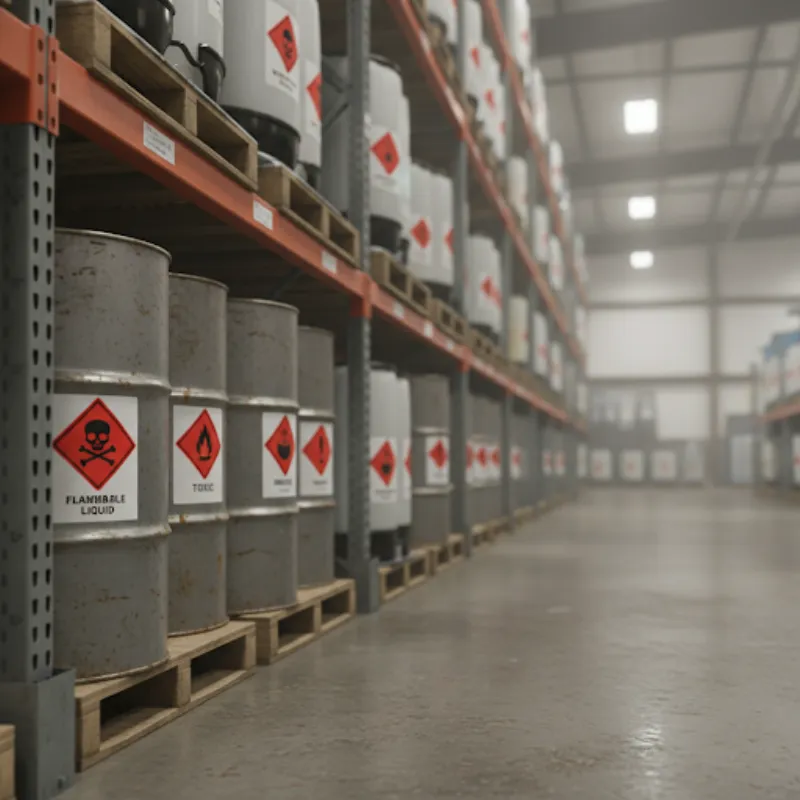 Chemical GHS labels
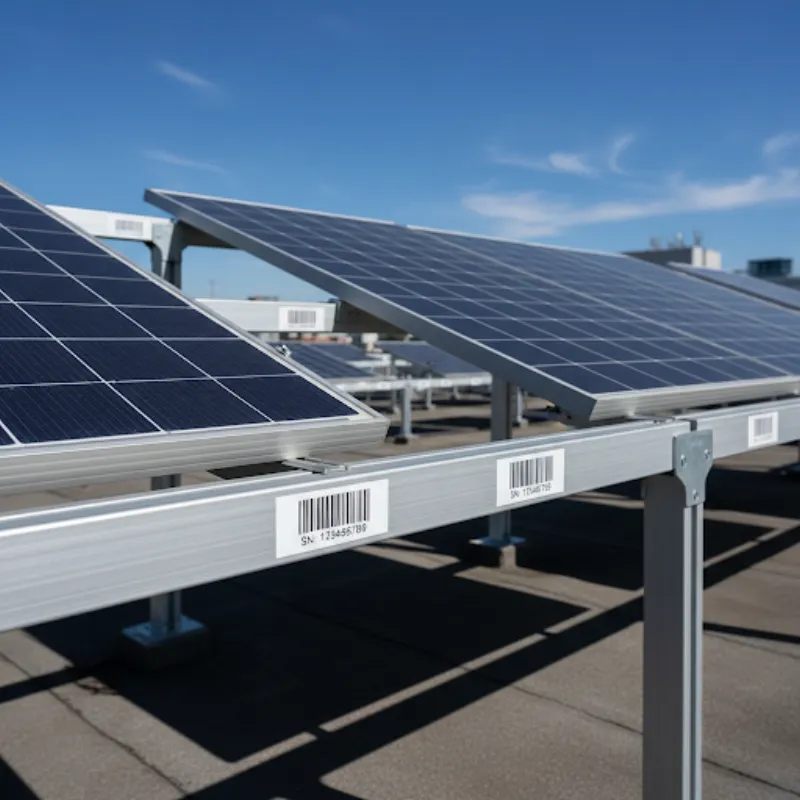 Outdoor / weather-resistant labels
 Electronics / semiconductor / cleanroom labels
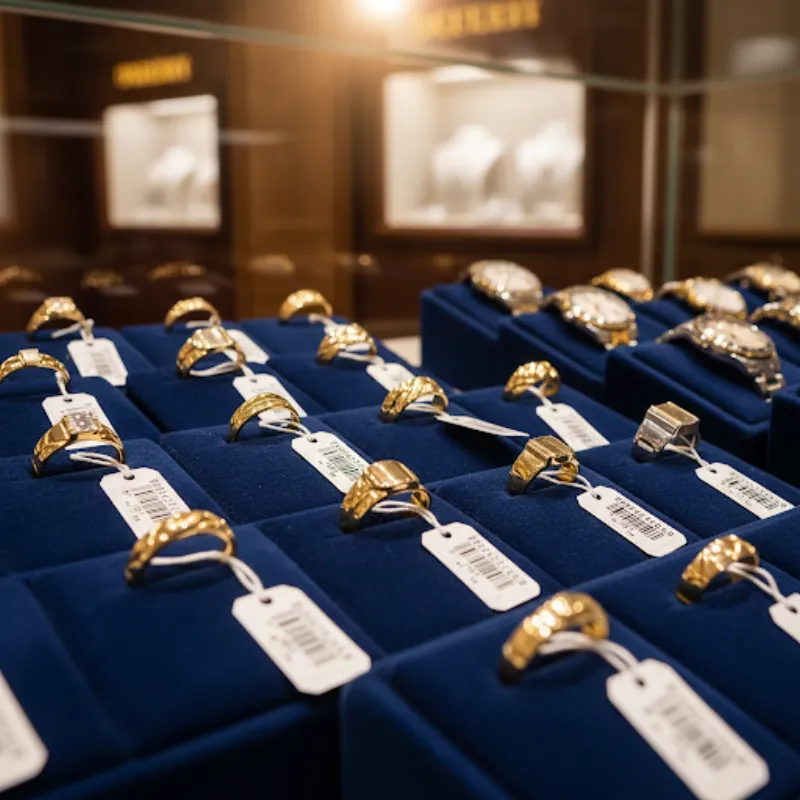 Jewelry / small tag labels
 Warehouse / shelf labels (removable)
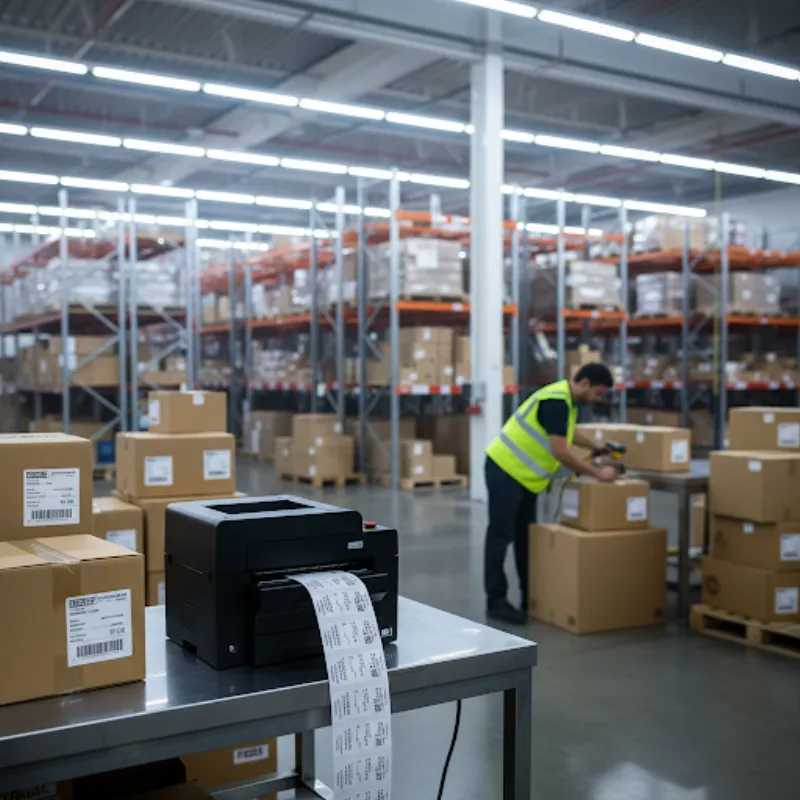 Pallet / large-format labels
Direct thermal vs. thermal transfer: understand this first
Barcode printers print in two ways:
- Direct thermal: no ribbon—the printhead heats "thermal paper" so it turns black. It is simple and you only buy labels; the downside is that it is sensitive to heat, light and rubbing, and the print fades over time or in sunlight. It suits short-life labels such as shipping labels.
- Thermal transfer: the printhead heats a "ribbon" to transfer ink onto the label. You need to buy ribbons, but the print is more durable and scratch-resistant and works on coated paper, synthetic paper, PET and other materials—ideal for long-life labels or harsh environments.
Many thermal transfer printers can also switch to direct thermal mode (no ribbon, thermal paper instead), but direct-thermal-only printers cannot take a ribbon. Not sure which yours is? Just tell us the model when you ask for a quote.
FAQ
My printer is not a brand sold on your website. Can I still buy consumables?
Yes. Labels and ribbons are not tied to a printer brand. We can supply them for barcode printers from TSC, Zebra, Argox, CAB and other brands. The main differences are core inner diameter, size, ribbon length and ink side orientation. Tell us your printer model and label size, and we will match them to the printer's specifications.
Do I have to buy labels and ribbons together?
Not necessarily. Direct thermal printers only need thermal labels, no ribbon; only thermal transfer printers need both. If you ask about both together, we will check that the material and ribbon are a good match.
Are there different types of ribbon? Can I just buy any roll?
Yes, there are types. The common ones are wax, wax-resin and resin; the closer to resin, the more scratch- and solvent-resistant, but the more it depends on a matching label material. Paper labels usually use wax or wax-resin; synthetic materials such as PET and PP usually need resin ribbons. A mismatch causes smudged print, print that scratches off, or barcodes that won't scan. The ribbon width, length, core and ink side (in or out) must also match the printer.
I only have an old label and don't know the specs. What should I do?
Measure the label width and height, the gap between labels and the core inner diameter, then take one photo of the whole roll and one close-up and put them in the inquiry form. If you can't tell the material, just tell us where it goes and how long it must last, and we will advise.
Can you make custom sizes or special materials?
You can ask. Non-standard sizes, special materials or special adhesives may have a minimum order quantity and longer production time; we will explain when we quote based on your specs.
How long does it take to get supplies?
It depends on the item and quantity; we will give the lead time with the quote.
What to tell us when you request a quote: how to measure your labels
Measure your current labels following the diagram and fill in the quote request form. If you are not sure about something, send us a photo.
- Label width (left to right): measure one label from its left edge to its right edge, excluding the liner. Sizes are written as "width × height", e.g. 100 × 150 mm.
- Label height (top to bottom): measure one label from top to bottom along the paper feed direction.
- Label gap: the blank space between two labels, commonly about 2–3 mm. A roll that is not die-cut is "continuous" media; a liner with black marks printed on the back is "black mark" media. Please mention this when you request a quote.
- Liner width: the width of the whole liner, usually a few mm wider than the label. If two or more labels sit side by side in a row, please also tell us how many labels are in each row.
- Core inner diameter: the inner diameter of the paper tube in the middle, commonly 1 inch (25.4 mm), 1.5 inch (approx. 38 mm) or 3 inch (76 mm). It must match what the printer can hold.
- Roll outer diameter: the diameter of the outermost layer of the roll. It must not exceed the maximum outer diameter the printer can hold; the number of labels per roll also affects the outer diameter.
- Labels facing out or facing in: if the label side is on the outside of the roll, it is "facing out"; if it is on the inside, it is "facing in". This must match the printer's media path.
- Labels per roll and quantity: how many labels are on one roll (e.g. 500, 1,000 or 2,000 labels) and how many rolls you want to order. If you only know the total number of labels you need to print, that is fine too; we will work out the number of rolls for you. The more labels per roll, the larger the roll outer diameter.
Please also tell us:
- Printer brand and model (any brand is fine), or "not purchased yet"
- Direct thermal or thermal transfer (is a ribbon installed?); if you need ribbons, the ribbon width, length and whether the ink side faces out or in
- Material and application: what surface the label goes on, how long it needs to last, and whether it will be exposed to freezing, water, oil, alcohol or sunlight
- Three photos make it clearest: the side of the roll, the front of a label and the core. Email them to us or describe them in the quote request form.
Request a quote
Write the measured sizes, printer model and quantity on the quote request form. We will confirm the specifications and reply with a quotation.
Printheads, cleaning pens, cleaning cards and other wear parts can also be quoted. If a machine has a problem, see Technical support and repair.